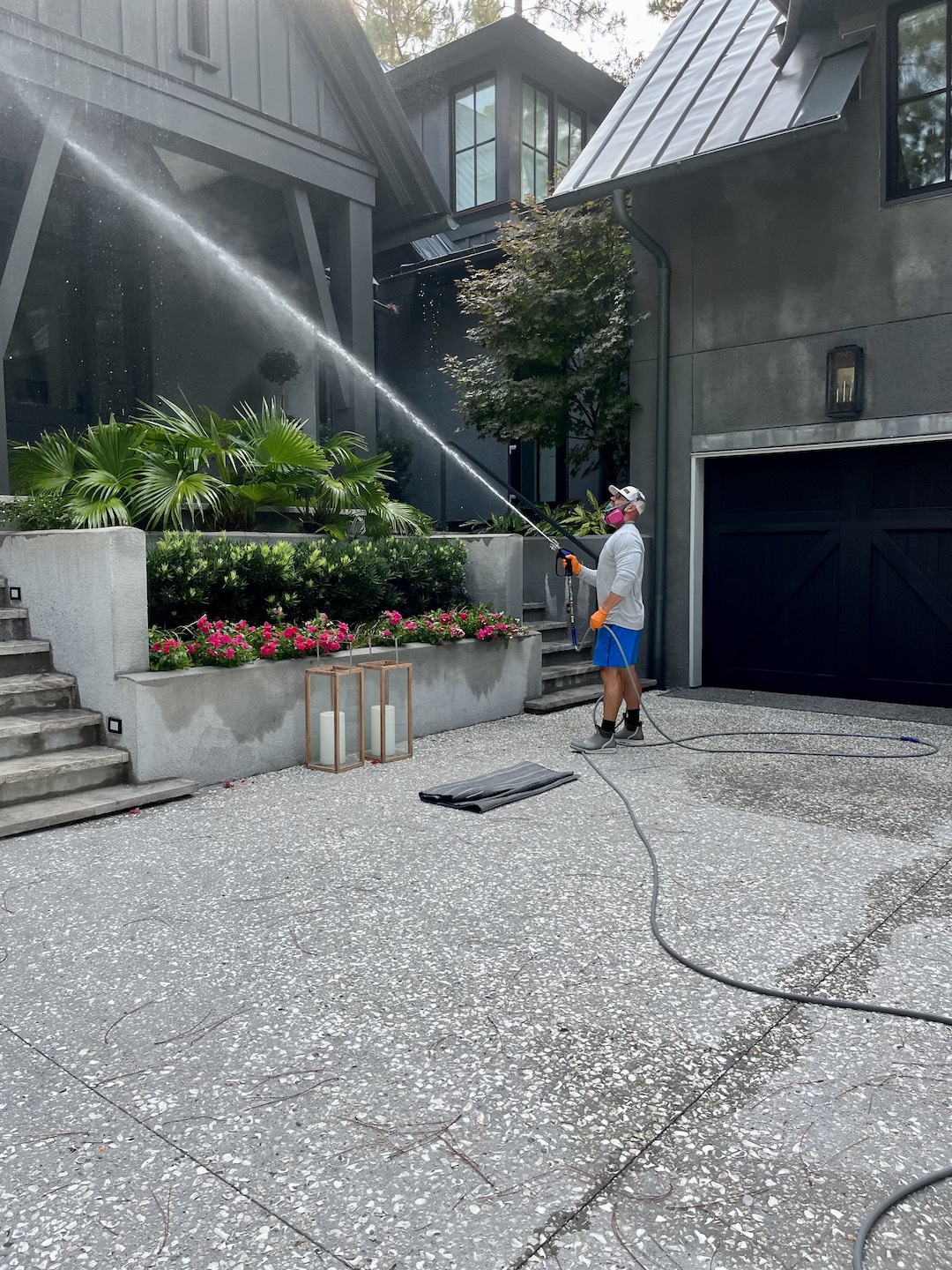
Soft Washing for Coastal Homes: How Long Do Results Really Last?

If you live on Johns Island, SC, you already know that salt air, shade from live oaks, and sticky summers are tough on exteriors. Soft washing is the safest way to clean siding, stucco, and roofs here, but how long do the results actually last? This guide breaks it down for our coastal climate and shows when a gentle, professional clean helps most. For details on the method itself, see our soft washing service and how it’s applied on delicate surfaces.
Why Results Vary On Johns Island, SC
Longevity is shaped by your microclimate as much as your material. Think distance to saltwater, daily shade, and the spring pollen cycle that feeds algae.
- Proximity to marshes and the Stono River increases salt film and moisture.
- Heavy shade in neighborhoods like Grimball Gates or Swygert’s Landing keeps walls damp.
- Surface type matters: vinyl, painted wood, stucco, and fiber-cement behave differently.
- Wind-facing elevations and north walls stay cool and show green streaks first.
- Irrigation overspray and dense shrubs trap moisture against siding.
Typical Longevity By Surface In The Lowcountry
Siding and Trim
For most inland sections of Johns Island with good sunlight, a quality soft wash on vinyl, painted wood, or fiber-cement siding often looks fresh for about a year. Closer to tidal creeks or under deep shade, expect a shorter window as algae returns faster during humid stretches.
Roofs
Soft washing treats the organic growth that causes black streaks. On homes away from direct salt spray, roofs commonly hold their clean appearance much longer than walls. Near marsh inlets or heavy tree cover, light tinting can reappear sooner, especially after long, wet summers.
Hardscapes Around The House
Driveways, brick steps, and pavers are usually pressure-washed rather than soft washed. Their cleaned look depends on shade and runoff patterns, but they tend to show buildup again more slowly than siding that stays damp.
Local insight: Plan major house washes soon after peak pollen. Scheduling right after the yellow haze settles means your fresh finish is not trapped under residue and it typically holds its clean look longer through summer humidity.
Soft Wash Longevity: What Homeowners Can Expect
Inland Lots With Good Sun
Homes along Maybank Highway or open lots off River Road that get steady sunlight often enjoy longer-lasting results. Surfaces dry quicker after storms and morning dew, which slows algae regrowth.
Near Water, Marsh, Or Deep Shade
Close to Bohicket Marina or shaded pockets under large live oaks, moisture and salt film return faster. In these zones, cleans remain safe and effective, but the visual “just-washed” look fades sooner. Homes right on marsh edges or under heavy canopy usually benefit from a more frequent schedule to stay ahead of green film.
A Practical Maintenance Schedule For Johns Island Homes
Every property is unique, so treat these as ranges that adjust with your setting and seasons.
- Siding, trim, and porch ceilings: every 9 to 12 months inland with decent sun; every 6 to 9 months if you are near marsh or in heavy shade.
- Roofs: less frequent than walls; clean when black streaks become noticeable and before listing or repainting.
- Windows and entry areas: pair with your house wash right after peak pollen for better clarity and curb appeal.
Want a deeper comparison of methods? This related post explains where each approach belongs on coastal homes: soft wash vs. pressure wash.
Why Professional Soft Washing Lasts Longer Here
In our climate, the main issue on walls and roofs is biological growth. Professional soft washing uses low pressure with targeted solutions to neutralize that growth and lift it away without stressing paint, caulk, or shingles. The care shows up weeks later when shade and salt try to bring stains back and there is less for them to feed on.
Never use high pressure on siding, stucco, or roofs. High pressure can drive water behind panels, scar stucco, or disturb roof materials. A trained crew protects plantings, shields outlets and fixtures, and manages rinse paths so nothing re-soils what was just cleaned.
Neighborhood Patterns We See Across Johns Island
Open, Sunnier Streets
In areas with steady breeze and sun exposure, a single thorough soft wash can usually hold through a full year. You will still see normal outdoor weathering, but heavy green streaking tends to show up later in the season.
Shaded Interiors And Canopied Lots
Where oak canopy keeps walls cool and damp, the same home may look great all spring, then show early film by late summer. That is normal on our island and not a sign that soft washing “didn’t work” — it is the climate doing what it does.
Water-Adjacent Properties
Homes near tidal creeks and inlets get more salt haze. That film holds moisture on surfaces, which speeds up algae regrowth compared to inland blocks. Many owners in these zones prefer a lighter mid-year visit timed around summer humidity.
What “Long-Lasting” Really Means On The Coast
“Long-lasting” in the Lowcountry does not mean a surface never shows light film again. It means the surface was cleaned in a way that protects the material and slows the return of growth. Done right, you are maintaining a healthy finish rather than fighting a cycle of harsh blasting that shortens the life of paint, stucco, or shingles.
For a broader overview of soft washing Johns Island, SC expectations and how our team approaches coastal materials, start at our main page. You can also explore service details any time to see how methods change by surface and season.
How To Know It Is Time Again
Watch for early signs rather than waiting for dark stains. These cues suggest your home is ready for the next gentle wash:
- Green or black streaks at siding laps, under windows, or on porch ceilings
- Faint roof tint that returns after long, rainy stretches
- Persistent salt haze on windward elevations after coastal storms
- North-facing walls that feel damp mid-day
Putting It All Together: A Simple Plan
Most Johns Island homes do well with a predictable rhythm tied to local weather. After spring pollen, restore clarity and color with a whole-home soft wash. If you live by the marsh or under heavy shade, add a late-summer or early-fall refresh for walls that show film first. This pattern keeps you ahead of algae and helps exterior finishes last.
If you are unsure where your home fits, scan one of our recent how-to articles in the archive and compare your exposure and shade to the examples. You will see the same logic repeated: low pressure on the house, targeted rinse control, and timing around high-humidity months so the clean look holds.
Ready For A Clean That Fits Your Home And Climate?
Our local team at Palmetto HydroWash LLC builds a maintenance schedule around your setting, not a one-size-fits-all plan. If you want a gentle clean that protects paint, caulk, and shingles, start with our overview of soft washing and then call 843-810-9368 to book your visit. Your exterior will look brighter, and your finishes will thank you for the lighter touch.
Articles & Tips
-
Roof Cleaning in the Lowcountry: What Causes Black Streaks and How to Remove Them Safely
On Johns Island, sticky summers, salt air, and shade from live oaks create the perfect recipe for roof stains. Those dark, streaky lines are most often blue‑green algae feeding on the minerals in asphalt shingles. Left alone, they hold moisture, heat up your roof, and make […]
-
Soft Washing for Coastal Homes: How Long Do Results Really Last?
If you live on Johns Island, SC, you already know that salt air, shade from live oaks, and sticky summers are tough on exteriors. Soft washing is the safest way to clean siding, stucco, and roofs here, but how long do the results actually last? This […]