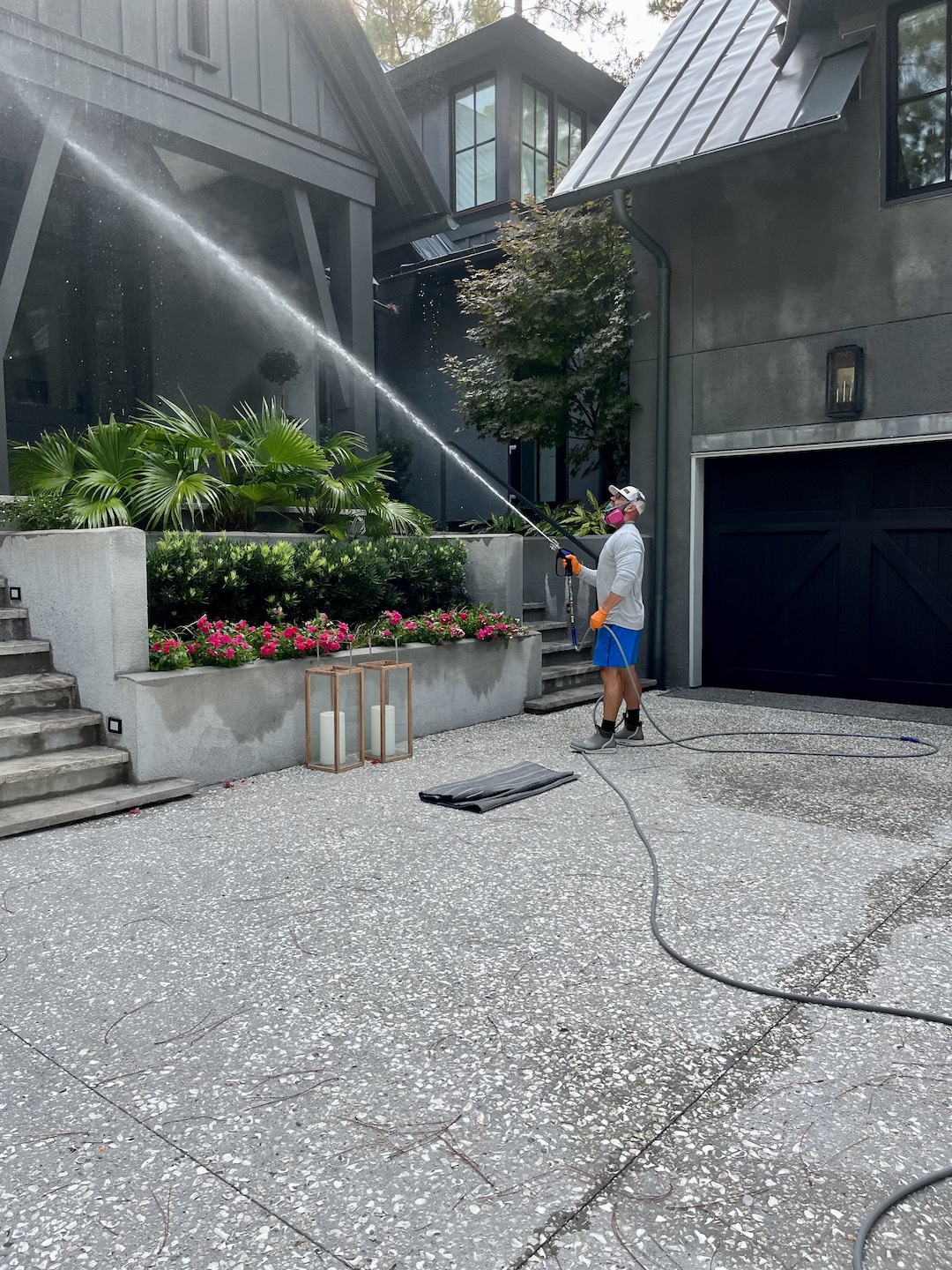
How Often Should You Pressure Wash Your Johns Island Home?

If you live on Johns Island, you already know the Lowcountry climate works fast on siding, trim, and walkways. Warm, damp air plus salt spray feeds algae and mildew, while spring pollen coats everything yellow. That is why most homes here benefit from exterior cleaning on a set rhythm, not just when green streaks show up. For delicate surfaces like siding and stucco, a safe soft washing approach is the standard way to clean without damage.
This guide breaks down how often to clean based on where you live on the island, what your home is made of, and how much shade and vegetation you have. For a broader look at services and results around the area, you can also explore Pressure Washing Johns Island, SC on our main page from Palmetto HydroWash LLC.
Why Coastal Homes Need a Different Schedule
Our island sits between tidal rivers and the Atlantic. Homes along River Road, Bohicket Road, and near the Stono River get a regular mist of salty air. That salt sticks to paint and metal, holding moisture against the surface. Add dense shade from live oaks in neighborhoods like Gift Plantation or Swygert’s Landing, and you have a perfect place for algae to grow. Routine cleaning interrupts that cycle and helps exterior finishes last.
Key point: salt, shade, and humidity speed up buildup. Cleaning before growth takes hold keeps your home looking sharp and helps protect paint, caulk, and seals.
Pressure Washing Johns Island, SC: A Seasonal Game Plan
Most Johns Island homes do well on a simple, repeatable schedule. Adjust it up or down a bit based on your setting and materials.
- Once a year for most siding and trim if you are inland on the island with decent sun and airflow.
- Every 6 to 9 months if you are close to tidal creeks, marsh, or the Stono River, or if your home faces heavy shade.
- Every 9 to 12 months for painted brick or fiber-cement with good sun and light tree coverage.
- After peak pollen season in late spring to remove residue that can trap moisture and grime.
Driveways and sidewalks often need attention every 12 to 18 months, especially if you have a lot of oak leaves and acorns. Pool decks and shaded patios may need a quicker cycle.
Five Local Factors That Change Your Timeline
- Distance to salt air: Homes along Betsy Kerrison Parkway, Bohicket Marina, or near tidal inlets need more frequent cleanings.
- Shade and trees: Heavy canopy in neighborhoods like Brownswood Village or Grimball Gates keeps surfaces damp longer.
- Surface type: Vinyl and painted wood show algae sooner than brick. Stucco needs careful, lower-pressure cleaning.
- Orientation: North-facing walls stay cool and damp. That side often shows green streaks first.
- Irrigation and landscaping: Overspray and dense shrubs keep siding wet. Trim hedges back a bit to help walls dry.
Tip: if you see algae return within a few months, your home likely needs a shorter interval or a more thorough soft wash that treats growth at its source.
Soft Washing Keeps Siding, Stucco, and Trim Safe
On a coastal home, using high pressure on siding can force water behind panels or scar paint. Soft washing uses low pressure with carefully mixed solutions to lift and rinse away organic growth. If your exterior includes vinyl, painted wood, stucco, or Hardie siding, ask for a professional soft washing service instead of high pressure on the walls.
Curious about method differences? This breakdown of soft wash vs. pressure wash for coastal homes explains where each approach belongs. The short version: use low pressure on your house, save higher pressure for hard surfaces like concrete.
What a Practical Year Looks Like for a Johns Island Home
Think of your cleaning plan like a lawn schedule. It repeats each year with a few tweaks for weather. Here is a simple pattern many homeowners follow:
- Late spring: rinse away pollen buildup and clean north-facing walls before summer humidity peaks.
- Early fall: light refresh if you are near the water or have heavy shade, especially on the first-story walls and entry areas.
- Anytime after storms: check for streaks under soffits and around gutters where wind-driven rain sat longest.
Good rule of thumb: if you can trace a fingertip line through dust, pollen, or green film on the siding, your next wash should be sooner rather than later.
Neighborhood Snapshots: How Location Shifts Frequency
Near marsh or the Stono River: Homes off River Road, Maybank Highway, and along waterways see faster algae return. Aim for every 6 to 9 months on siding.
Shaded interior streets: In pockets of Johns Island with heavy canopy, mildew shows up first on trim and porch ceilings. Plan annual cleaning, plus a quick fall refresh if shade is constant.
Open, sunnier lots: If your home gets steady sun and has minimal nearby trees, once a year is usually enough for walls, with spot cleanings on high-traffic concrete.
Signs You Shouldn’t Wait
Watch for early clues between scheduled cleanings. Catching these signs early keeps stains from setting in and protects finishes:
- Green or black streaks at the bottom edge of siding laps or under windows.
- Chalky paint or dull sections where salt and pollen are baking on.
- Slippery spots on steps or walkways, especially on the north side.
- Rusty drips under light fixtures or hose bibs.
When you spot these, consider moving your next wash up by a month or two so buildup does not take hold.
Materials Matter: Matching Method to Surface
Each material responds best to a certain approach. Soft washing is gentle enough for painted wood, fiber-cement, and stucco. Brick and concrete can tolerate higher pressure when used correctly. Windows, trim, and decorative elements respond best to measured, low-pressure rinses. Never blast siding or trim with high pressure; it can gouge paint, loosen caulk, or force water where it should not go.
Plan Around Projects and Events
Cleaning before you host guests, list a home for sale, or schedule exterior painting helps everything look and perform better. Fresh paint adheres best to a clean, dry surface. If you have a big event on Kiawah or Seabrook and want pristine entry steps and railings, schedule service a week or two ahead so everything dries fully and looks its best.
How Long Does a Clean Last Here?
Inland sections of Johns Island with good sun can stay clear most of the year. Close to the water or under heavy shade, you may notice light film returning by late summer. That is normal for our climate. A consistent schedule plus the right low-pressure technique helps each cleaning last longer, so you are maintaining rather than playing catch-up.
Simple Recommendations You Can Use
To sum it up, most homeowners on Johns Island can follow this rhythm and adjust as needed:
- House wash: once a year for most; every 6 to 9 months if close to marsh, river, or heavy shade.
- Concrete: every 12 to 18 months; sooner if shaded or slippery after rain.
- Windows and trim touch-ups: after peak pollen and after heavy tropical systems.
When you are ready, choose a provider that uses low pressure on walls and the right solutions for our coastal environment. That is what protects paint, sealants, and siding.
Ready for a Fresh, Safe Clean?
If it has been close to a year since your last exterior wash, your home is due. The safest method for siding, stucco, and painted trim is professional soft washing that treats organic growth and removes salt film without harsh pressure. For questions or to set your schedule, call Palmetto HydroWash LLC at 843-810-9368. We are local, we know Lowcountry weather, and we are happy to recommend a plan that fits your home.
Want the best long-term results for your Johns Island property? Start with a consultation and gentle home wash, then stick to the simple timeline above. Your exterior will stay brighter, safer, and easier to maintain all year.
Articles & Tips
-
Roof Cleaning in the Lowcountry: What Causes Black Streaks and How to Remove Them Safely
On Johns Island, sticky summers, salt air, and shade from live oaks create the perfect recipe for roof stains. Those dark, streaky lines are most often blue‑green algae feeding on the minerals in asphalt shingles. Left alone, they hold moisture, heat up your roof, and make […]
-
Soft Washing for Coastal Homes: How Long Do Results Really Last?
If you live on Johns Island, SC, you already know that salt air, shade from live oaks, and sticky summers are tough on exteriors. Soft washing is the safest way to clean siding, stucco, and roofs here, but how long do the results actually last? This […]